Shipping Container Storage Solutions for Midwest Businesses
 Fusebox Marketing
on
July 21, 2026
Fusebox Marketing
on
July 21, 2026
Blog
Shipping Container Storage Solutions for Midwest Businesses
Businesses throughout the Midwest face unique storage challenges. From seasonal inventory fluctuations and equipment storage to job site organization and agricultural operations, having access to secure and reliable storage is essential for maintaining productivity and protecting valuable assets.
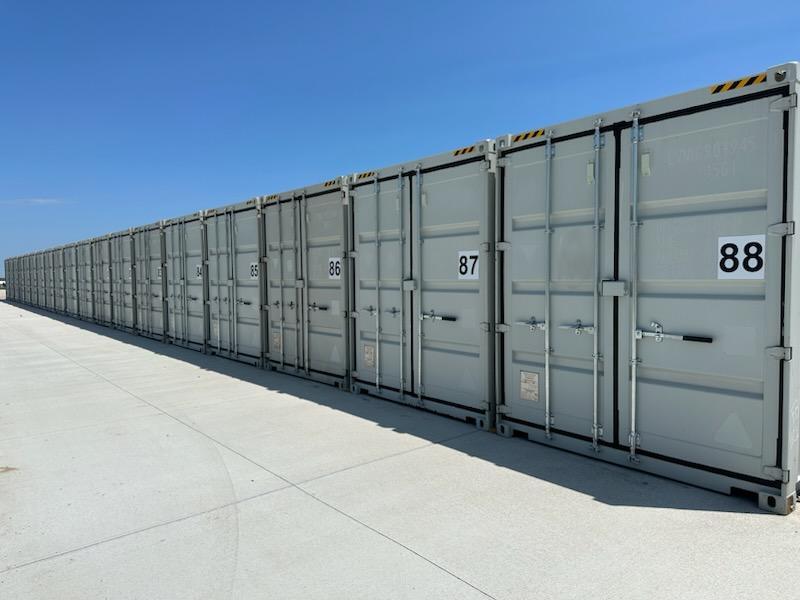
Shipping containers have become a popular storage solution for businesses across Iowa, Nebraska, Minnesota, and Kansas because they offer durability, flexibility, and cost savings compared to traditional storage options. Whether you operate a construction company, farm, retail business, or industrial facility, shipping containers can provide practical on-site storage that grows with your needs.
Why Midwest Businesses Choose Shipping Containers
Shipping containers are designed to withstand harsh conditions, making them ideal for the Midwest’s changing weather patterns and demanding work environments.
Key Benefits Include:
- Secure on-site storage
- Weather-resistant steel construction
- Portable and relocatable solutions
- Cost-effective alternative to building expansions
- Available in multiple sizes and configurations
- Fast delivery and setup
Businesses can place containers directly on their property, eliminating the need for frequent trips to off-site storage facilities and improving operational efficiency.
Construction companies across Iowa, Nebraska, Minnesota, and Kansas rely on shipping containers to keep projects organized and equipment protected.
Common Construction Uses:
- Tool and equipment storage
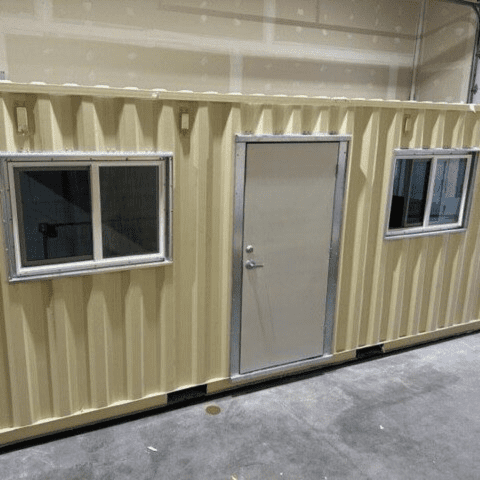
- Job site offices
- Material storage
- Safety equipment organization
- Temporary project headquarters
Because containers can be moved between job sites, they provide a flexible solution for contractors managing multiple projects throughout the region.
Agriculture is a major industry throughout the Midwest, and shipping containers offer farmers a dependable storage option for valuable equipment and supplies.
Popular Agricultural Applications:
- Seed and fertilizer storage
- Equipment and tool storage
- Feed storage
- Irrigation equipment protection
- Seasonal inventory management
With durable steel construction and secure locking systems, containers help protect agricultural assets from weather, pests, and theft.
Retail businesses often experience seasonal inventory fluctuations that require additional storage space.
Containers Help Businesses Store:
- Seasonal merchandise
- Overstock inventory
- Promotional materials
- Outdoor equipment
- Store fixtures and displays
Rather than leasing additional warehouse space, many retailers use shipping containers as an affordable extension of their existing storage capacity.
Manufacturers and industrial facilities frequently need secure storage for equipment, materials, and production-related supplies.
Common Uses Include:
- Parts and component storage
- Maintenance equipment storage
- Raw material inventory
- Tool organization
- Temporary expansion space
Shipping containers provide businesses with flexible storage capacity that can be scaled up or down as operational needs change.
Get a Quote
Midwest Shipping Container Solutions
Shipping Container Solutions in Iowa
Businesses throughout Iowa use shipping containers to support a wide range of industries, including agriculture, construction, manufacturing, and retail.
Popular Iowa Applications:
- Farm equipment storage
- Construction site storage
- Inventory management
- Municipal and public works storage
With Iowa’s seasonal weather conditions, businesses appreciate the protection and reliability containers provide throughout the year.
Storage Solutions for Nebraska
Nebraska businesses benefit from shipping containers that offer secure, weather-resistant storage for both rural and urban operations.
Common Nebraska Uses:
- Agricultural supply storage
- Construction equipment storage
- Commercial inventory overflow
- Utility and infrastructure projects
Containers help businesses maintain organized operations while protecting valuable assets from the elements.
Minnesota Shipping Container Solutions
Minnesota’s harsh winters make durable storage solutions especially important.
Businesses Use Containers For:
- Snow and seasonal equipment storage
- Construction project support
- Manufacturing inventory
- Fleet maintenance supplies
Shipping containers provide year-round protection and dependable performance, even during extreme weather conditions.
Shipping Container Solutions for South Dakota
South Dakota businesses rely on shipping containers for secure, flexible storage across a variety of industries, including agriculture, construction, manufacturing, and energy.
Common South Dakota Uses:
- Farm and ranch equipment storage
- Construction site storage
- Inventory overflow
- Municipal and public works storage
- Energy and infrastructure projects
With durable steel construction and weather-resistant protection, shipping containers provide South Dakota businesses with a dependable and cost-effective storage solution for year-round operations.
Shipping Container Solutions in Kansas
Businesses across Kansas often require scalable storage solutions that can adapt to changing workloads and seasonal demands.
Popular Kansas Applications:
- Agricultural operations
- Construction and contracting
- Oil and energy support services
- Retail inventory storage
Shipping containers provide a cost-effective solution that allows businesses to add storage capacity without major capital investments.
Choosing the Right Shipping Container for Your Business
Selecting the right container depends on your storage needs, available space, and future growth plans.
Consider:
- 20-foot vs 40-foot containers
- Standard vs high-cube containers
- Long-term or temporary use
- Delivery and site access requirements
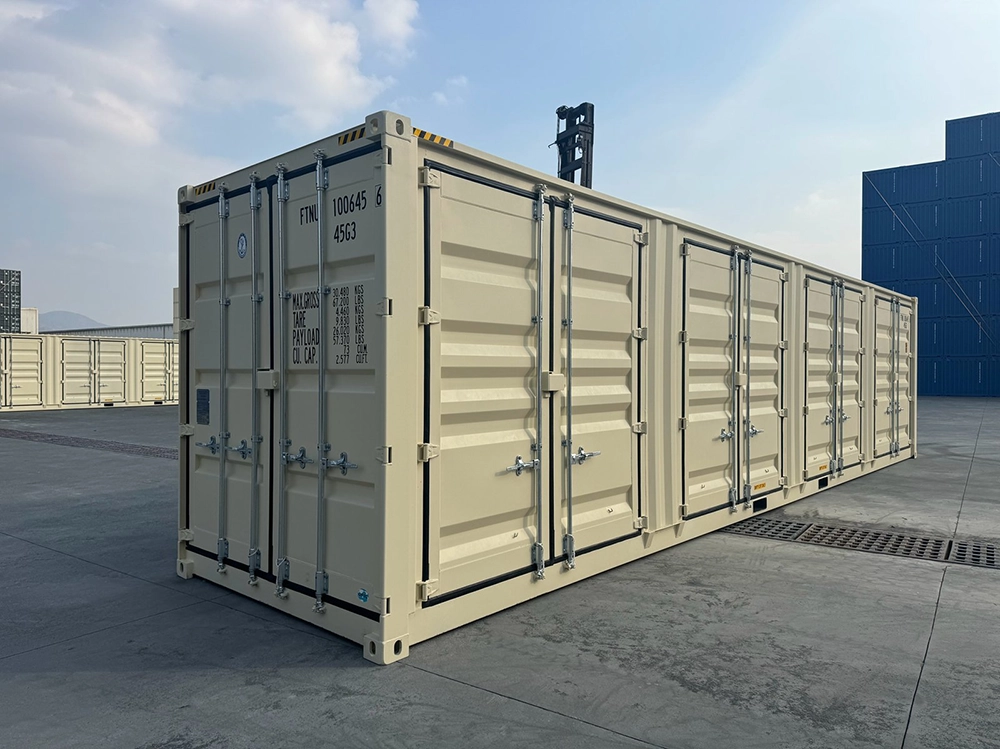
Many businesses choose high-cube containers when they need additional vertical storage space for shelving or larger equipment.
Why Shipping Containers Are a Smart Investment
Compared to building a permanent storage structure or leasing warehouse space, shipping containers offer several advantages.
Business Benefits:
- Lower upfront costs
- Fast deployment
- Minimal site preparation
- Portability and flexibility
- Long service life
- Scalable storage capacity
These advantages make containers an attractive option for businesses looking to maximize efficiency while controlling costs.
FAQs About Shipping Container Storage for Businesses
The most common options are 20-foot and 40-foot containers. The best choice depends on your inventory, equipment, and available space.
Yes. Shipping containers are built to withstand harsh weather conditions and provide reliable storage throughout the year.
Yes. Their steel construction and lockable cargo doors provide excellent security for tools, equipment, and inventory.
Businesses with long-term storage needs often choose to purchase a container, while short-term projects may benefit from rental options.
Find the Right Storage Solution for Your Midwest Business
Whether you’re managing a construction project in Iowa, operating a farm in Nebraska, running a manufacturing facility in Minnesota, expanding a business in Kansas, or supporting operations in South Dakota, shipping containers provide a reliable and cost-effective storage solution.
Contact Heartland Shipping Containers today to learn more about available container sizes, delivery options, and storage solutions for your business.