How to Choose the Right Shipping Container Size for Your Project
 heartlandshipp
on
June 13, 2023
heartlandshipp
on
June 13, 2023
Blog
How to Choose the Right Shipping Container Size for Your Project
Choosing the right shipping container size is one of the most important decisions you will make when buying or renting a container. Whether you need secure storage, a portable office, or a custom container solution, the size you choose affects cost, delivery logistics, and how usable the space will be for your project.
This guide breaks down the differences between 20-foot vs 40-foot containers, explains standard vs high-cube containers, and shares practical tips to help you choose the best option for your needs.
Common Shipping Container Sizes Explained
Most customers choose between two primary container sizes. Here is what to expect from each.
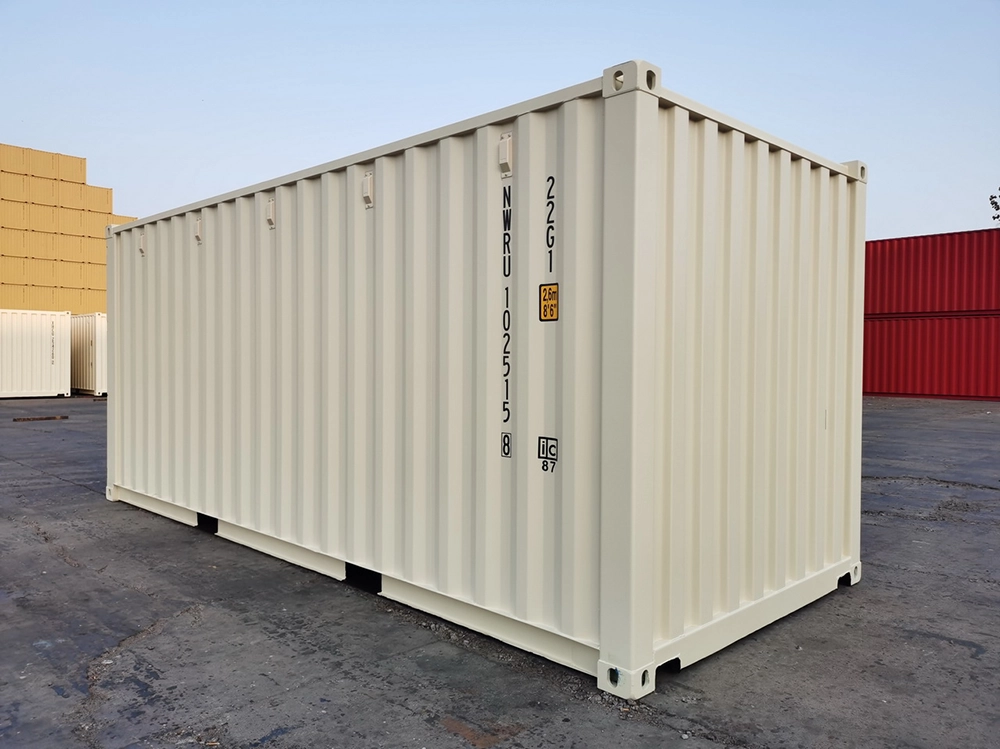
A 20-foot shipping container is one of the most popular options for residential and small commercial use.
Best for:
- Job site tool and equipment storage
- Home renovations and temporary storage
- Small business inventory
Tight spaces or limited delivery access
Why choose a 20-foot container:
- Easier to place on smaller properties
- Lower overall cost than a 40-foot container
- More flexible for residential neighborhoods
- Fits in many standard driveways and compact lots
A 40-foot container offers double the storage space of a 20-foot unit, making it ideal for large-scale needs.
Best for:
- Construction and industrial storage
- Large inventory or equipment storage
- Warehousing overflow
- Multi-room container modifications
- Long-term storage projects
Why choose a 40-foot container:
- More square footage for bulk storage
- Better value per square foot
- Ideal for large job sites and commercial operations
- Room for future growth
Get a Quote
Standard vs High-Cube Containers: What’s the Difference?
Standard Containers
Standard containers are about 8 feet 6 inches tall. They work well for general storage and most job site uses.
Good fit if you:
- Store tools, furniture, or boxed inventory
- Do not need extra vertical clearance
- Want the most widely available and cost-effective option
High-Cube Containers
High-cube containers are about 9 feet 6 inches tall, giving you an extra foot of vertical space.
Best for:
- Taller equipment or machinery
- Shelving systems
- Mobile offices
- Container conversions and modifications
- Added ventilation or insulation builds
Why high-cube containers matter:
That extra foot of height can make a big difference when installing shelving, HVAC systems, lighting, or interior framing for office containers and customized units.
How to Choose the Right Container Size
Here are the most important factors to consider before you order a shipping container.
Make a list of what will go inside your container. Think about length, width, height, and future needs. If you plan to add shelving or convert the container into an office, the interior layout matters.
Many customers underestimate how quickly containers fill up. If your project is long-term or likely to grow, sizing up now can save money later.
Make sure you have enough clearance for delivery and placement.
Measure:
- Driveway width
- Overhead clearance
- Turning radius for delivery trucks
- Ground conditions and level space
A 40-foot container requires more space to maneuver and place than a 20-foot container.
If you only need short-term storage, renting a 20-foot container may be the most cost-effective option. Long-term or permanent storage may justify purchasing a larger unit.
While 40-foot containers cost more upfront, they often provide better value per square foot. If you will use the space fully, going larger can be more economical over time.
Need Help Choosing the Right Container Size?
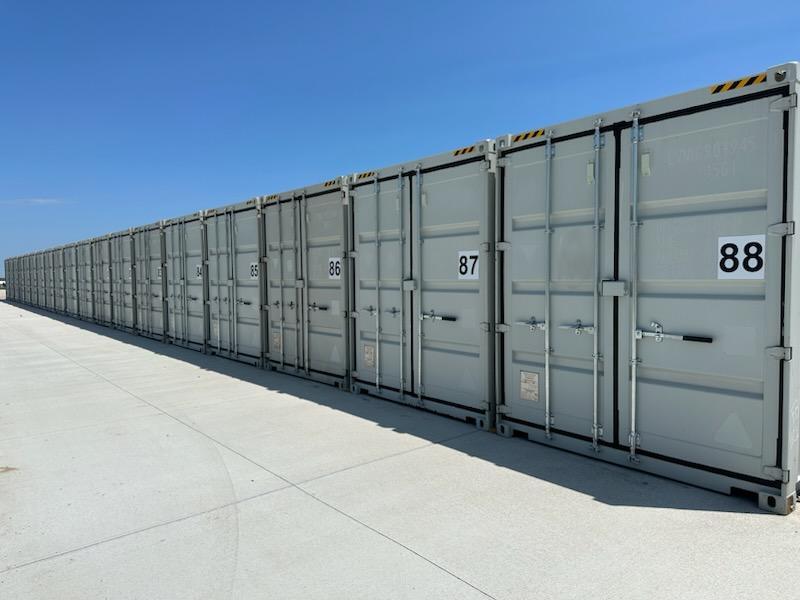
If you are unsure which shipping container size is right for your project, Heartland Shipping Containers can help. Our team will walk you through container options, delivery requirements, and customization possibilities to make sure you get the best fit for your space and budget.
Contact Heartland Shipping Containers today for a quote or expert guidance on choosing the right container for your project.